Astronomy Friends Your Community for the Night Sky

Astronomy Friends

Your Community for the Night Sky

Latest Articles

How to Plan a Multi-Day Stargazing Retreat That Actually Delivers
Stargazing Guides

How to Plan a Multi-Day Stargazing Retreat That Actually Delivers

A weekend astronomy retreat can do more for your skills—and your friendships—than a whole year of solo backyard sessions. Whether you're organizing one from scratch or looking for the right event to join, here's everything you need to know to make it happen.

Younger Stargazers Are Looking Up Again — Here's What Astronomy Clubs Need to Know
Community & Science

Younger Stargazers Are Looking Up Again — Here's What Astronomy Clubs Need to Know

Something unexpected is happening at the intersection of screen fatigue and social media: younger Americans are developing a genuine passion for the night sky. Understanding what's driving this shift—and how established clubs can meet these new observers where they are—could reshape amateur astronomy for the next generation.

Why Your Friend's Shout-Out to Orion Sticks in Your Brain Better Than Any Star Chart
Community & Science

Why Your Friend's Shout-Out to Orion Sticks in Your Brain Better Than Any Star Chart

There's a reason you remember the first constellation someone else pointed out to you far better than anything you memorized from a book. Science has a fascinating explanation for why social stargazing creates stronger memories—and it has big implications for how your astronomy group spends its nights.

Stop Buying Stuff You Don't Need: A Beginner's Honest Guide to Astronomy Gear
Stargazing Guides

Stop Buying Stuff You Don't Need: A Beginner's Honest Guide to Astronomy Gear

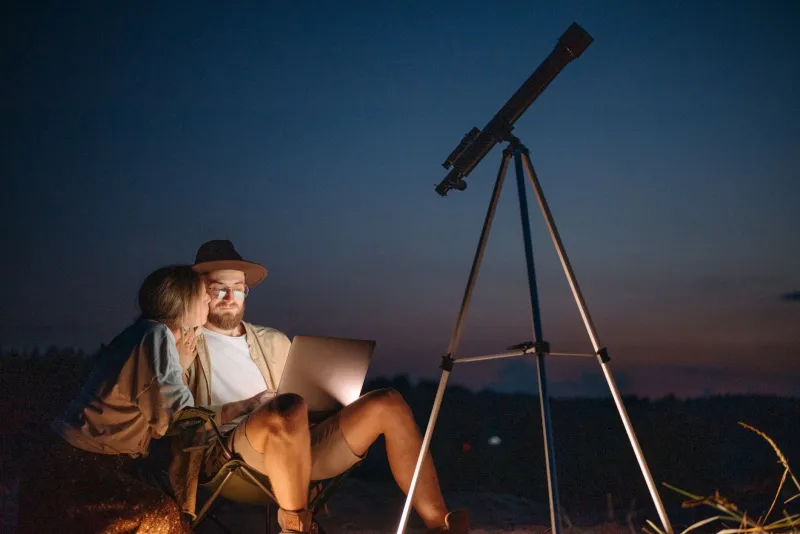
The astronomy gear market is full of shiny distractions that can drain your wallet before you've even found your first constellation. We asked experienced club members what they wish they'd known before spending a dime — and their answers might surprise you. Here's the no-nonsense breakdown of what actually matters when you're just getting started.

Why a Clear Night With Friends Beats Any Planetarium Show
Community & Science

Why a Clear Night With Friends Beats Any Planetarium Show

There's a reason that night you watched Jupiter's moons shift through a telescope with your astronomy club still feels vivid years later — while that planetarium trip from middle school has mostly faded. Science is starting to explain why active, community-based stargazing creates memories that passive astronomy education simply can't match.

Eyes Everywhere: How Amateur Stargazers Are Outpacing the Pros at Catching Variable Stars
Community & Science

Eyes Everywhere: How Amateur Stargazers Are Outpacing the Pros at Catching Variable Stars

Professional sky surveys have cutting-edge technology, but they keep missing something — and amateur astronomers across the country are filling that gap in a big way. Distributed networks of backyard observers are logging variable star brightness changes that automated systems simply overlook, and their findings are making it into real published research.

Your Group Knows More Than You Do: The Science of Shared Stargazing Memory
Community & Science

Your Group Knows More Than You Do: The Science of Shared Stargazing Memory

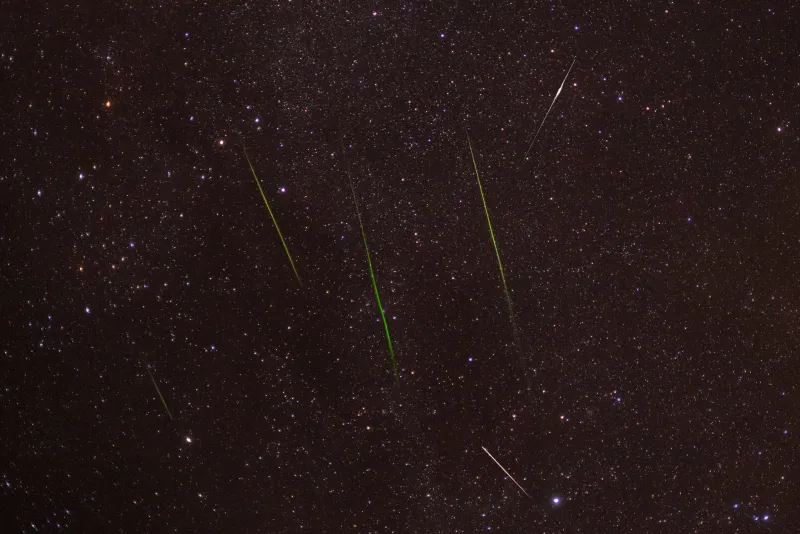
Ever notice how a meteor shower feels more vivid when you watched it with friends? There's real neuroscience behind that feeling — and it turns out your stargazing group might actually remember celestial events better than you ever could on your own. Here's why that matters for every amateur astronomer.

More Than a Hobby: How Astronomy Clubs Are Quietly Improving Members' Mental Health
Community & Science

More Than a Hobby: How Astronomy Clubs Are Quietly Improving Members' Mental Health

There's something happening at star parties and astronomy club meetups that goes way beyond spotting Saturn's rings. Researchers and everyday stargazers alike are noticing that gathering under the night sky with others delivers real, lasting mental health benefits — the kind that solo observing sessions just can't replicate.

Alone Under the Stars — But Never Really Alone
Community & Science

Alone Under the Stars — But Never Really Alone

There's something quietly profound about stepping into your backyard at midnight, telescope in hand, and knowing that somewhere across the country, someone else is doing the exact same thing. Solo stargazing carries a reputation for solitude — but the psychology behind it tells a much richer story. Here's why looking up alone might actually be one of the most connected things you can do.

Know Your Role: How to Find Your Place in Any Stargazing Group
Community & Science

Know Your Role: How to Find Your Place in Any Stargazing Group

Every astronomy group runs better when people know what they naturally bring to the table. Whether you're the gear guru, the patient teacher, or the person who remembered to bring snacks and keeps everyone laughing, your role matters more than you think. Here's how to figure out where you fit — and how to build a crew that covers all the bases.

Old Stars, New Friends: How Mixed-Age Astronomy Clubs Are Closing the Generation Gap
Community & Science

Old Stars, New Friends: How Mixed-Age Astronomy Clubs Are Closing the Generation Gap

There's something quietly remarkable happening at star parties and astronomy club meetups across the country — teenagers and retirees are becoming genuine friends. Shared curiosity about the night sky has a way of dissolving the awkwardness that usually separates generations, and the bonds formed under a dark sky often turn out to be surprisingly deep.

Why Stargazing With a Friend Literally Changes How Your Brain Remembers the Night Sky
Community & Science

Why Stargazing With a Friend Literally Changes How Your Brain Remembers the Night Sky

There's a reason your most vivid astronomy memories almost always involve other people. Science suggests that shared stargazing activates entirely different cognitive pathways than going it alone — and the result is a night sky that sticks with you far longer. Here's what memory researchers and seasoned astronomy group members have to say about it.

Two Eyes Are Better Than One: The Science Behind Why Group Stargazers Outperform Solo Observers
Community & Science

Two Eyes Are Better Than One: The Science Behind Why Group Stargazers Outperform Solo Observers

Turns out, the company you keep under the stars might matter just as much as the telescope you bring. Research on collaborative learning — combined with real-world evidence from astronomy communities across the US — suggests that observers who learn in groups develop sharper skills, faster. Here's why that matters for your own journey under the night sky.

Backyard Telescopes, Real Science: How Amateur Astronomers Are Changing What We Know About Space
Community & Science

Backyard Telescopes, Real Science: How Amateur Astronomers Are Changing What We Know About Space

Amateur astronomers aren't just hobbyists anymore — they're genuine contributors to cutting-edge space research. From spotting exoplanets to tracking near-Earth asteroids, everyday stargazers with backyard setups are producing data that professional scientists actually rely on. Here's how the citizen science revolution is unfolding, and how you can be part of it.

Faster, Sharper, Better: What Happens to Beginners When Experienced Stargazers Show Them the Ropes
Community & Science

Faster, Sharper, Better: What Happens to Beginners When Experienced Stargazers Show Them the Ropes

There's something almost magical about watching a first-timer locate Saturn's rings for the very first time — especially when a seasoned observer is standing right beside them. Science backs up what astronomy clubs have known for years: beginners learn dramatically faster when they share the eyepiece with someone who's been doing this for decades. Here's why that works, and how your club can make the most of it.

From One Telescope to Many: What Happens When Solo Stargazers Find Their People
Community & Science

From One Telescope to Many: What Happens When Solo Stargazers Find Their People

Most amateur astronomers start the same way — alone in a backyard, squinting at a star map with a flashlight. But something shifts when they finally look up alongside others. We talked to real stargazers about the moment group observations changed everything for them.

From Discord to Dark Skies: How Online Astronomy Communities Are Rewriting the Rules of Stargazing
Community & Science

From Discord to Dark Skies: How Online Astronomy Communities Are Rewriting the Rules of Stargazing

A new generation of stargazers isn't waiting for the local club meeting to find out what's in the sky tonight. Digital communities are connecting observers from Seattle to Miami in real time, and the ripple effects on amateur astronomy are bigger than most people realize.

Never Miss a Meteor Again: How to Build Your 2025 Astronomy Calendar the Smart Way
Stargazing Guides

Never Miss a Meteor Again: How to Build Your 2025 Astronomy Calendar the Smart Way

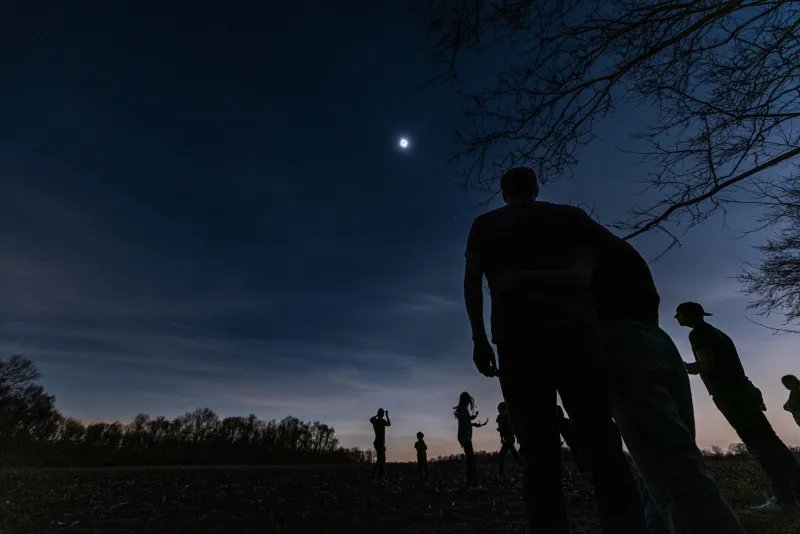
Between eclipses, meteor showers, planetary conjunctions, and comet flybys, 2025 is stacked with celestial events worth staying up for. The trick isn't finding information—it's filtering it. Here's how to build a personalized astronomy alert system that keeps you informed without drowning in notifications.

Why You See More Stars When You're Not Looking Alone
Community & Science

Why You See More Stars When You're Not Looking Alone

Stargazing with a group isn't just more fun — it's actually more effective. Science and community experience both suggest that observing the night sky with others helps you spot details, catch fleeting events, and understand what you're seeing in ways that solo sessions rarely match.

Community & Science

Work With the Moon, Not Against It: A Stargazer's Guide to Planning Around Lunar Phases

The moon is the most beautiful object in the night sky — and also the one most likely to wash out everything else you're trying to see. Learning how lunar cycles actually work gives you a real edge in planning your best observing sessions, whether you're hunting faint galaxies or just coordinating a night out with your astronomy crew.