Old Stars, New Friends: How Mixed-Age Astronomy Clubs Are Closing the Generation Gap
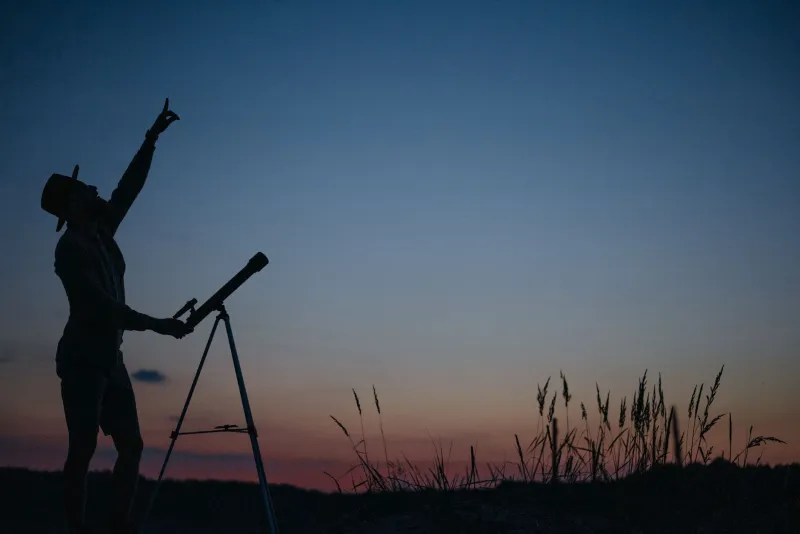
Picture a folding table set up in a public park on a Friday night. One end holds a thermos of coffee and a worn star atlas with handwritten notes in the margins. The other end has a tablet running SkySafari and a half-eaten bag of trail mix. The two people on either side of that table are 67 and 16 years old, respectively, and they've been talking nonstop for the past two hours — first about Jupiter's cloud bands, then about college plans, then about Jupiter again.
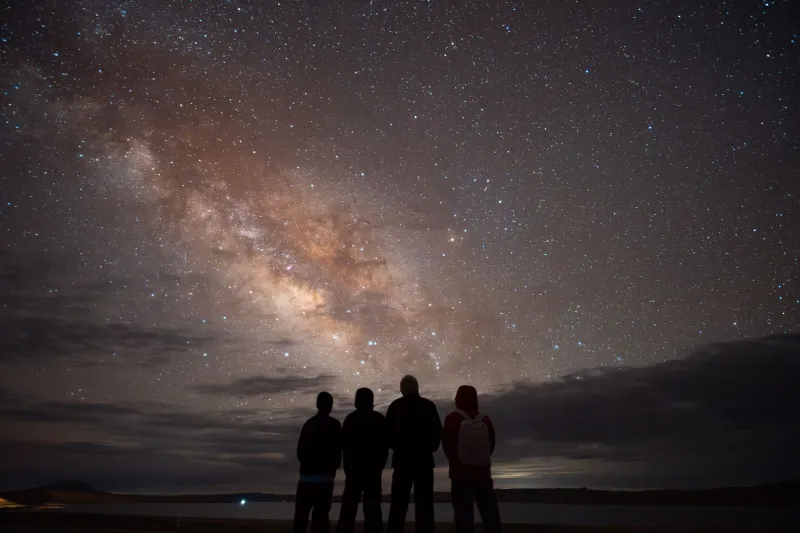
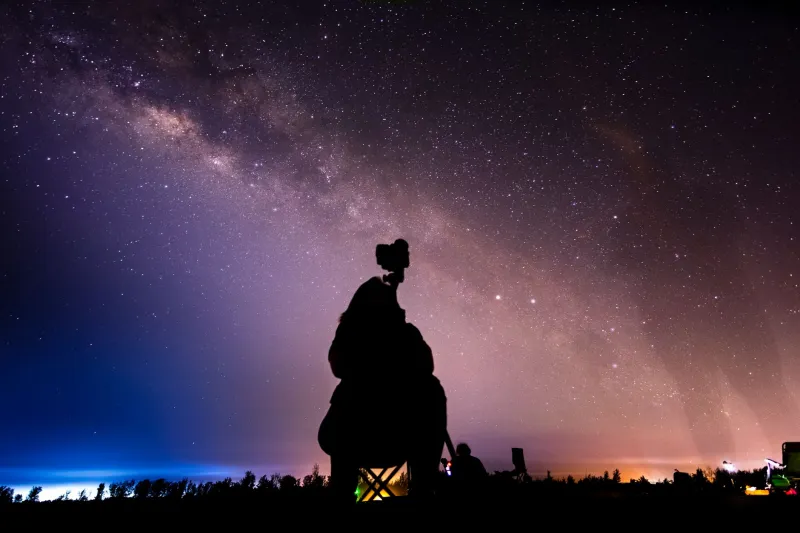
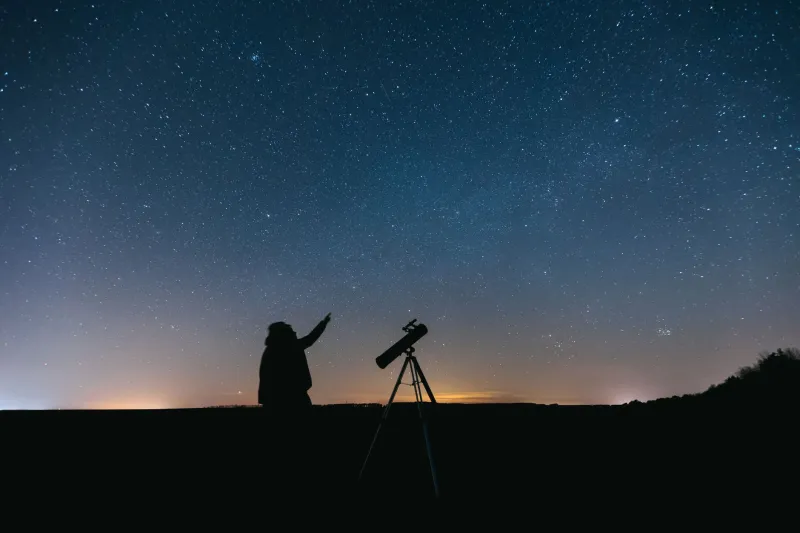
This kind of scene plays out at astronomy clubs all over the United States, and it's one of the most quietly remarkable things happening in the amateur astronomy community right now. In a cultural moment when conversations about generational divides dominate the headlines, stargazers seem to have quietly figured out a workaround: point everyone at the same sky and let the questions do the rest.
Why the Night Sky Levels the Playing Field
There's a reason astronomy tends to dissolve social barriers faster than most shared hobbies. The sky doesn't care how old you are, what you do for work, or what generation you belong to. Saturn looks the same through the eyepiece whether you're 14 or 74. That shared sense of wonder — the sharp intake of breath when you first see the rings clearly — creates an instant common language.
Margie Holloway, a retired schoolteacher from Tucson who has been a member of her local astronomy club for over 20 years, puts it simply: "When a kid sees the Andromeda Galaxy for the first time and realizes they're looking at something two and a half million light-years away, their face does this thing. I've seen it hundreds of times and it never gets old. That moment connects us. We're both just humans trying to wrap our heads around something enormous."
For younger members, the connection often runs in the opposite direction. Jaylen Torres, a 17-year-old from suburban Columbus, Ohio, joined his local astronomy club through a school science fair and ended up staying for the people. "I expected it to be kind of boring, honestly — like, older guys with fancy equipment talking over my head. But it wasn't like that at all. These people actually wanted to hear what I thought. And they knew so much. It was like having a free masterclass every weekend."
The Mentorship That Doesn't Feel Like Mentorship
One of the things that makes intergenerational astronomy friendships work so well is that the knowledge transfer rarely feels formal. Nobody's sitting down for a structured lesson. Instead, tips and techniques get passed along naturally, the way they might between old friends — casually, in context, while you're both doing something else.
Dave Kowalski, a 58-year-old machinist and dedicated visual observer from rural Michigan, has been helping newer members of his club learn the sky for over a decade. He doesn't think of it as teaching. "I just talk about what I'm seeing and what I'm doing. If someone's standing nearby and they get curious, great. I'll show them how I find a faint galaxy without a GoTo mount. Not because I'm trying to teach them — just because it's fun to share."
That informal style turns out to be especially effective across age gaps. Younger members absorb observing skills and astronomical history without feeling lectured to. Older members, in turn, often pick up new tools and technologies from their younger counterparts — apps, astrophotography software, online resources — without feeling like they're being condescended to.
"I had no idea how to use any of the astrophotography editing software until a 22-year-old in our club sat with me for an afternoon," admits Carol Bernstein, a 71-year-old astronomer from the Denver area. "She had more patience than I deserved. Now I'm processing my own images and posting them online. My grandkids think I'm the coolest person alive."
What Younger Stargazers Bring to the Table
It would be easy to assume the exchange only flows one way — experience and wisdom from older members down to younger ones. But anyone who spends time around a mixed-age astronomy group knows that's not the whole picture.
Younger members often bring energy, fresh questions, and a willingness to challenge assumptions. They're also frequently more connected to the broader online astronomy community, which means they sometimes hear about new discoveries, citizen science opportunities, or upcoming celestial events before the older members do.
More importantly, their enthusiasm is contagious. Experienced astronomers sometimes admit that having newer, younger members around reignites their own curiosity in ways they didn't expect.
"After you've seen the Orion Nebula a thousand times, it can start to feel routine," says Dave. "But when you're showing it to someone who's never seen it before and they just — lose it — suddenly you're seeing it fresh again too. That's a gift."
Building Something That Lasts
The friendships that form in these mixed-age communities often extend well beyond the telescope. Members share meals, attend each other's family events, and maintain connections through seasons when the weather keeps everyone inside. The night sky is the introduction, but the relationship takes on its own life.
Astronomy clubs that actively cultivate this kind of intergenerational culture tend to be more resilient over time. They don't hollow out when older members step back, because knowledge and enthusiasm have already been passed along. And they don't drift toward exclusivity, because newer and younger members keep bringing in fresh perspectives.
For anyone who's been on the fence about joining a local club or attending a star party, this might be the most underrated reason to take the leap. The equipment is great, the dark skies are better, but the people — across all ages and backgrounds — might be the best part of all.
If you're not sure where to start, the Astronomy Friends community is a good place to find clubs and events near you. Bring a lawn chair, a red flashlight, and an open mind. The rest tends to take care of itself.