Younger Stargazers Are Looking Up Again — Here's What Astronomy Clubs Need to Know
For a long time, the narrative around astronomy clubs and younger generations was pretty gloomy. Average member age was creeping upward. Outreach events weren't converting into memberships. The hobby felt, to many observers under thirty, like something that happened in church basements on Tuesday nights—not exactly where you went to find your people.
That story is changing. And the shift is more interesting than a simple pendulum swing back toward tradition.
What's Actually Pulling Gen Z Toward the Sky
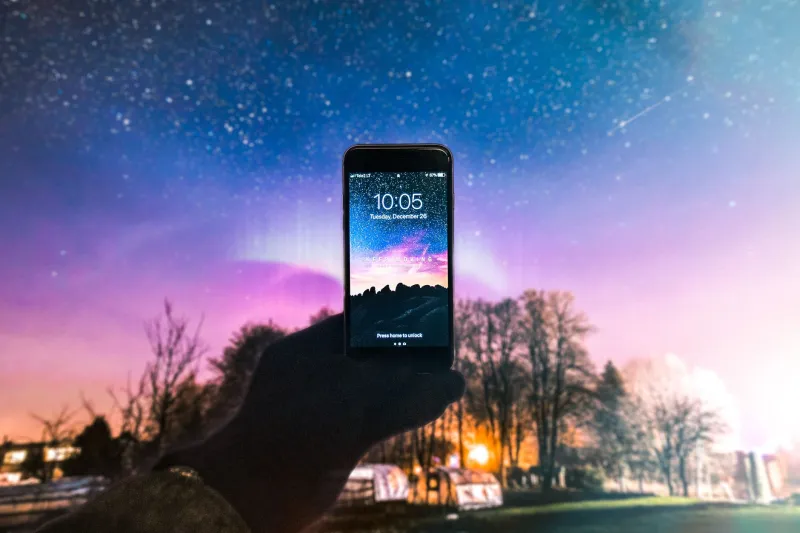
If you spend any time on TikTok or Instagram in the last two years, you've probably noticed astronomy content performing surprisingly well. Not just polished NASA imagery—though that does well—but genuinely personal, amateur content. Someone in their apartment with a $200 telescope getting a shaky but real image of Jupiter's moons. A twenty-two-year-old driving forty-five minutes from Denver to catch the Perseid peak and filming the whole thing with a phone. These posts pull hundreds of thousands of views.
The explanation isn't just that space is cool, though it obviously is. It's that astronomy offers something that's become increasingly rare in the experience of younger people: a reason to be outside, in the dark, away from a screen, doing something that can't be optimized or fast-forwarded.
There's a genuine strain of screen fatigue running through Gen Z that often gets overlooked by the same media that covers their digital habits. The generation that grew up most connected is also, surveys consistently show, the most interested in finding meaningful ways to disconnect. Stargazing is almost perfectly positioned to meet that need. It's inherently slow. It rewards patience. The sky does not care how many followers you have.
At the same time, apps like SkySafari, Stellarium, and Sky Map have dramatically lowered the barrier to entry. A beginner can go from "I want to find Saturn" to actually finding Saturn in under ten minutes, without needing to decode a paper star chart. For a generation that grew up with smartphones, this kind of intuitive entry point matters.
Where Younger Observers Are Gathering
The gathering places for this emerging cohort look different from the traditional club model—at least at first.
Reddit's r/telescopes and r/astrophotography communities have become genuinely vibrant forums where beginners get detailed, patient help from experienced observers. Discord servers organized around specific interests—planetary imaging, Dobsonian owners, dark sky hunting—have attracted younger members who find the real-time chat format more natural than email listservs or monthly meeting minutes.
Instagram and TikTok serve as the discovery layer: someone sees a reel of the Andromeda galaxy taken with a backyard telescope, follows the account, and three weeks later they've bought a scope and joined three online communities. The pipeline from social media to genuine engagement is real and faster than many established club members realize.
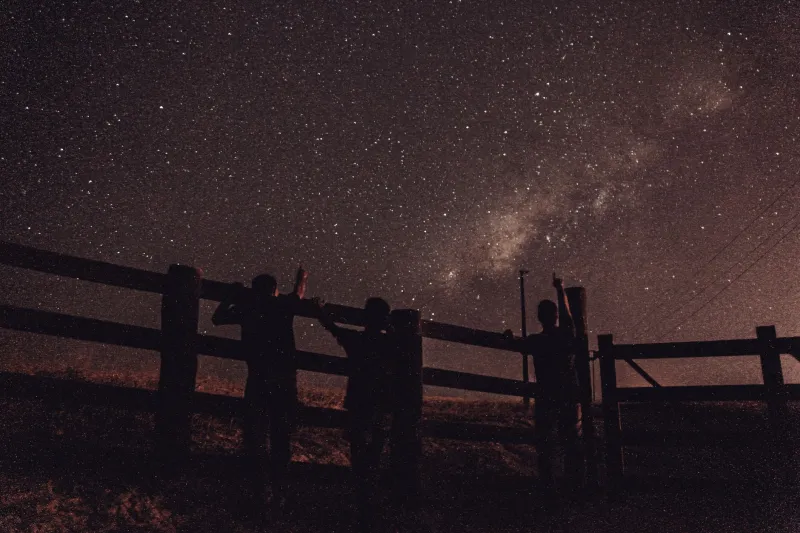
In-person, younger observers are showing up at public star parties, college observatory open nights, and National Park astronomy programs in growing numbers. They tend to come in pairs or small groups rather than solo, and they're often already more digitally informed than their older counterparts expect—they just haven't had the hands-on time yet.
The Gaps That Still Need Bridging
For all the genuine enthusiasm, there are friction points that prevent younger observers from making the leap from casual interest to committed club membership. Being honest about these is the first step toward addressing them.
Meeting formats. A monthly in-person meeting on a weeknight doesn't fit the schedules or social habits of most people in their twenties. It's not laziness—it's a genuinely different relationship to time and commitment. Clubs that have added hybrid meeting options, Discord channels, or informal monthly observing meetups alongside their traditional structure have seen better retention.
The expertise gap as a barrier. Younger observers sometimes describe feeling intimidated at club events—not because experienced members are unkind, but because the assumed knowledge base is high. Walking into a room where people are debating the merits of different Barlow lenses when you're still figuring out how to polar align can feel discouraging. Designated beginner nights, mentorship pairings, and explicit "all questions welcome" culture go a long way.
Visibility. Many younger people simply don't know their local astronomy club exists. A Facebook page that hasn't been updated since 2019 is not a digital presence. Clubs that have invested even modest effort in Instagram, a clean website, and active Reddit participation have seen meaningful upticks in inquiries from younger prospective members.
What Established Clubs Can Do Right Now
The good news is that none of this requires abandoning what makes astronomy clubs valuable. The traditions, the accumulated knowledge, the careful culture of observation—these are assets, not liabilities. The question is how to make them accessible.
Meet the apps where they are. If someone shows up using Stellarium to navigate, don't treat it as a lesser approach. Engage with it. Ask what they found with it. Bridge from the app to the deeper skill set you have to offer.
Restructure outreach for social sharing. Younger observers love bringing their phones to star parties. Lean into this rather than resisting it. A guided astrophotography segment with a smartphone—teaching people to capture the moon with what they already have in their pocket—is an extraordinarily effective recruitment tool.
Create explicit mentorship structures. Pair newer, younger members with experienced observers for a defined period. Make it a formal thing, not just a vague offer to "ask anyone." Structured mentorship dramatically improves retention across every demographic, and it tends to be deeply rewarding for the mentors too.
Amplify younger members' voices. If a twenty-five-year-old joins your club and starts contributing meaningfully, find ways to give them visible roles—running the social media, leading a beginner night, presenting at a meeting. Ownership creates commitment.
A Shared Sky, A Shared Future
The generational divide in amateur astronomy is real, but it's also narrower than it looks from a distance. The older observer who's been mapping variable stars for thirty years and the twenty-three-year-old who found the Pleiades last Tuesday through a borrowed scope are both responding to the same thing: the profound, slightly humbling experience of looking up at something genuinely vast and caring about what they see.
The hobby has always grown through transmission—knowledge and passion passed from one observer to another, across years and sometimes generations. The technology changes. The apps change. The way people find each other changes. The sky doesn't.
There's never been a better moment for established astronomy communities to open the door a little wider. The younger observers are already looking up. They just need to know there's a place for them in the conversation.