A Full Year of Sky: Seasonal Stargazing Traditions Every Astronomy Group Should Try
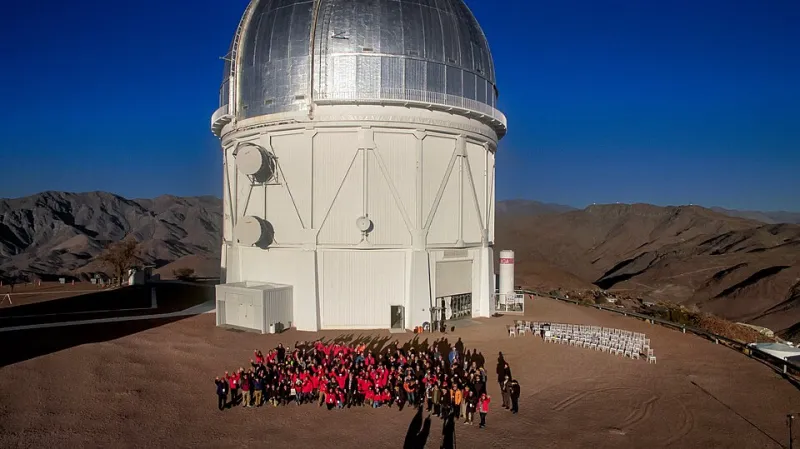
Photo: CTIO/NOIRLab/NSF/AURA/P. Marenfeld, CC BY 4.0, via Wikimedia Commons
Some of the most tight-knit astronomy groups in the country have something in common beyond good equipment and clear skies: they've built traditions. Annual events that people pencil in months ahead of time. Rituals that welcome first-timers and give veterans something fresh to look forward to. Moments that turn a loosely connected group of hobbyists into something that actually feels like a community.
If your astronomy club or friend group is still just showing up whenever the weather cooperates, this guide is for you. Here's a seasonal roadmap of observing traditions worth starting this year — no matter where you're starting from.
January — The New Year Deep-Sky Challenge
What it is: Kick off the year with a friendly observing challenge. Each member draws (or is assigned) one deep-sky object from the Messier catalog or the Caldwell list, then has the month of January to successfully observe and sketch or photograph it.
Why it works: January nights are long and often crystal clear across much of the US, making them ideal for deep-sky work. A low-stakes challenge gives newer members a specific goal without overwhelming them, while experienced observers can tackle trickier targets.
Implementation tip: Share results at a January wrap-up meetup — virtual or in person. Pair each observation with a two-minute story about the hunt. The storytelling part is often more memorable than the objects themselves.
March — Spring Constellation Swap Night
What it is: As winter constellations give way to spring ones, host a "handoff" night where members teach each other. Veteran observers walk newcomers through the departing winter sky (Orion, Gemini, Auriga), then everyone turns east to greet Leo, Virgo, and the spring galaxies together.
Why it works: Seasonal transitions are a natural teaching moment, and this format puts community members in the role of guide — which is one of the most effective ways to deepen someone's own knowledge.
What to look for: The Leo Triplet (M65, M66, and NGC 3628) is a rewarding target for intermediate observers. Naked-eye viewers can practice tracing the Sickle of Leo and finding the point of the spring sky's "Big Dipper migration."
Inclusivity note: Pair every newcomer with an experienced member for the first hour. Mentorship built into the structure makes a huge difference for people who are nervous about not knowing enough.
May — Astronomy Friends Appreciation Cookout
What it is: This one isn't primarily about the sky — it's about the people. Host a daytime or early-evening cookout before an observing session. Recognize members who contributed to the group over the past year, welcome anyone who joined in the past six months, and give everyone a chance to connect outside the usual context of staring upward.
Why it works: Community doesn't build itself. Intentional social time cements the relationships that make the observing nights more meaningful.
Astronomy tie-in: End the evening with a solar observation session before sunset using a properly filtered solar telescope. Sunspots and solar prominences are endlessly fascinating and a great hook for people who've never looked at the sun safely through optics.
July — Summer Milky Way Photography Night
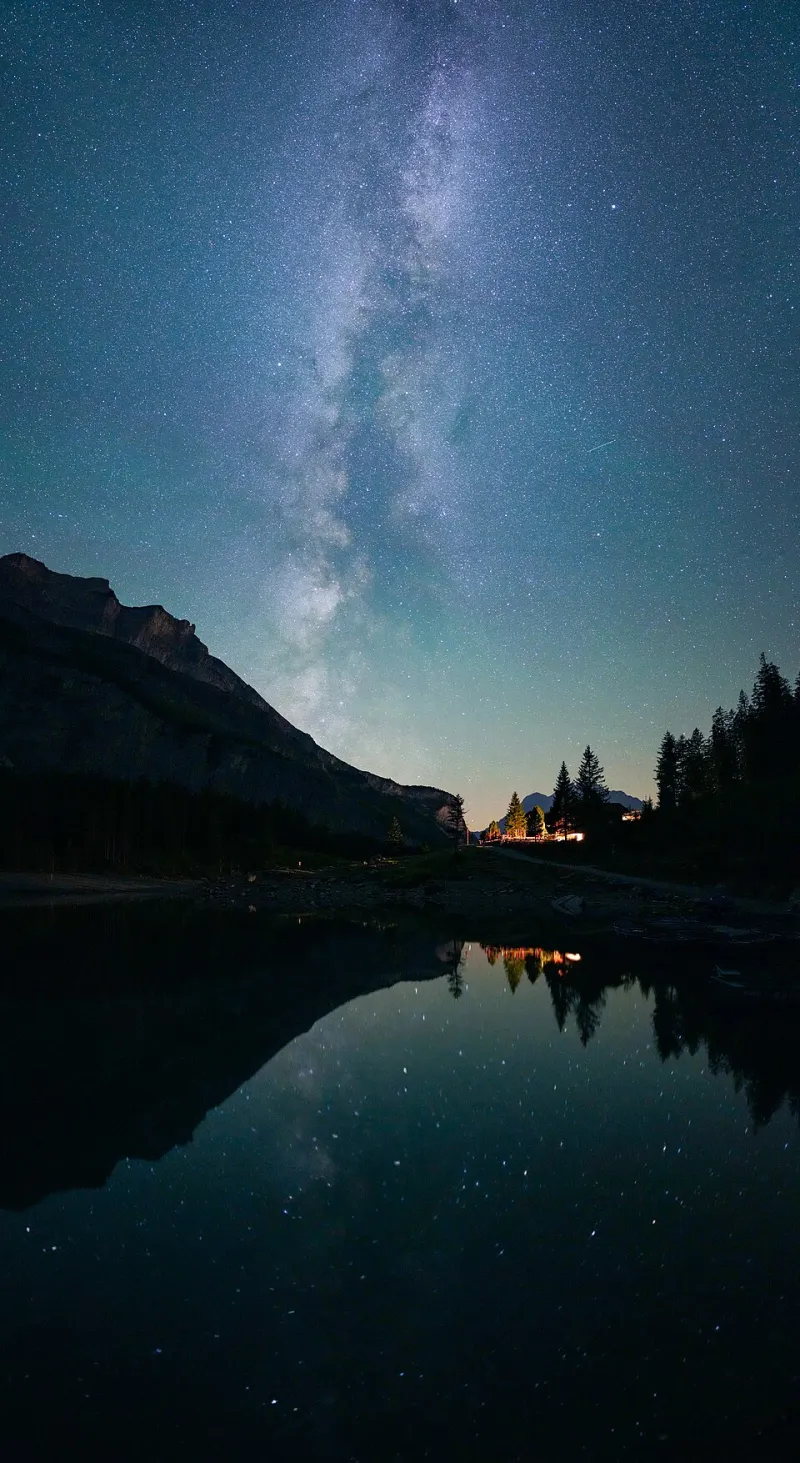
What it is: July is prime time for Milky Way core visibility across most of the US. Organize a group trip to the darkest accessible sky in your region and make it a photography-focused night. Members of all skill levels — from smartphone shooters to DSLR veterans — participate.
Why it works: Photography gives people a tangible takeaway. Even a decent shot on a modern smartphone can be genuinely stunning, and that kind of result keeps new members coming back.
Implementation tip: Designate one or two experienced astrophotographers as "helpers for the night" rather than just doing their own thing. A quick 15-minute group tutorial on basic long-exposure settings before it gets fully dark goes a long way.
What to look for: The galactic core rises in the southeast and arcs overhead through mid-summer nights. Sagittarius and Scorpius anchor the richest part of the band. Point these out verbally throughout the night — not everyone will know what they're looking at even if they can see it.
August — Perseid Watch Party
What it is: The Perseid meteor shower is the most accessible annual event in amateur astronomy — no equipment needed, peaks in mid-August, and happens during warm enough weather that newcomers won't be scared off by the cold. Make it your group's biggest public-facing event of the year.
Why it works: Meteor showers are entry points. They require no prior knowledge, create immediate wow moments, and naturally generate the kind of shared excitement that brings people back for more.
Implementation tip: Set up a few telescopes for planetary viewing between meteor bursts to give people something to do during slower stretches. Jupiter, Saturn, and whatever bright planets are visible that month are reliable crowd-pleasers. Have someone on hand whose only job is to answer questions from newcomers.
October — Spooky Sky Night
What it is: Lean into Halloween season with a themed observing night focused on the eerier side of the cosmos. Targets might include the Skull Nebula (NGC 246), the Ghost of Jupiter (NGC 3242), the Witch Head Nebula, or any object with suitably atmospheric lore.
Why it works: Theming an event gives it a hook that travels well on social media and in word-of-mouth invitations. It's an easy one to bring friends and family to who might not normally come.
Bonus tradition: Have members submit their spookiest astrophoto from the past year. Print them out and let the group vote on a winner. A small trophy or certificate goes a long way in making it feel like an actual event.
December — Winter Solstice Naked-Eye Challenge
What it is: The longest night of the year deserves a proper send-off. Host a naked-eye-only observing session on or near the winter solstice (usually December 21st). No binoculars, no telescopes — just eyes, sky charts, and patience.
Why it works: Stripping away equipment levels the playing field completely. Experienced observers are humbled; newcomers feel genuinely capable. It's one of the best formats for mixed-experience groups.
What to look for: The Pleiades, the Orion Nebula as a fuzzy patch (with good dark adaptation), the Andromeda Galaxy for those with sharp eyes and dark skies, and the full winter hexagon asterism. Provide printed star charts — the act of learning to read one is itself a meaningful skill to walk away with.
Closing tradition: End the night with everyone naming one celestial moment from the year that mattered to them. It takes ten minutes and costs nothing, but it's become the most-remembered part of solstice nights for groups that do it.
Building the Calendar Into Your Group's DNA
You don't have to launch all of these at once. Pick two or three that fit your group's size and skill mix, run them consistently for a year, and see which ones people start asking about in advance. That's how you know a tradition has taken hold.
The night sky gives us twelve months of reasons to gather. The only thing left is to show up — and to bring someone with you.