Escape the Glow: Dark Sky Gems Hidden Within an Hour of Your City
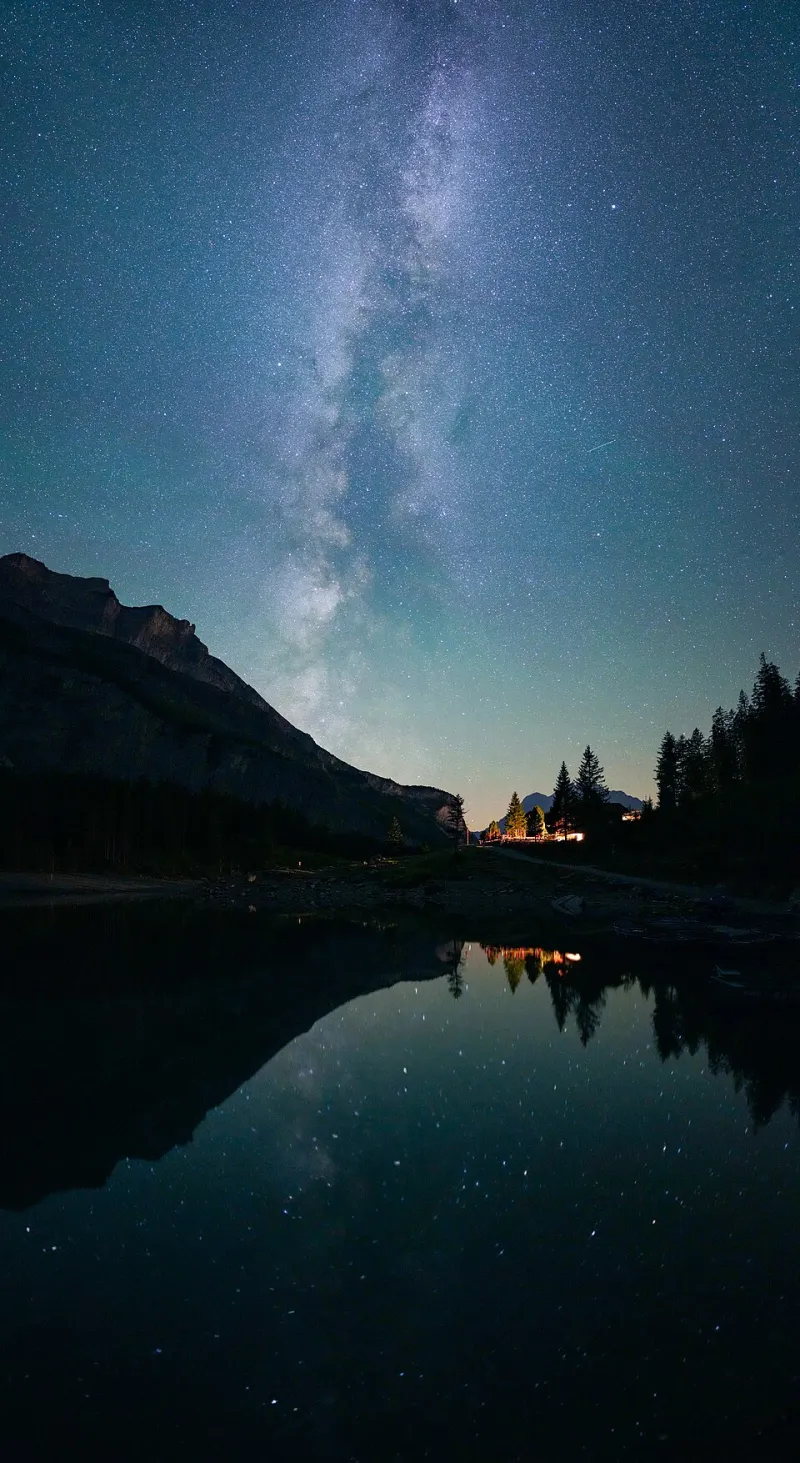
Photo: Giles Laurent, CC BY-SA 4.0, via Wikimedia Commons
Let's be honest — most of us picked up this hobby dreaming of ink-black skies packed with stars. What we got instead was a fuzzy orange dome hanging over our backyards. If you live near one of America's major cities, light pollution isn't just annoying; it's actively hiding thousands of stars, the Milky Way, and faint deep-sky objects that would otherwise blow your mind.
The good news? You probably don't need to relocate. Across the country, dedicated stargazers have quietly mapped out pockets of genuine darkness sitting less than 100 miles from urban cores. We've pulled together a regional breakdown to help you find your nearest escape hatch — no multi-day camping trip required.
How We Define "Dark Enough"
Before we dive in, a quick word on how to evaluate a site. The Bortle Scale runs from 1 (pristine wilderness darkness) to 9 (inner-city skies). Most suburban observers are living under Bortle 7 or 8. For a meaningful improvement — one where the Milky Way becomes obvious and faint nebulae snap into view — you're aiming for Bortle 4 or better. The free tool at lightpollutionmap.info is your best friend here. Punch in any location and you'll see a color-coded overlay that tells you exactly what you're working with before you make the drive.
Northeast: Escaping New York, Boston, and Philadelphia
The densely packed Northeast is arguably the toughest region for dark-sky hunting, but it's far from hopeless. Cherry Springs State Park in north-central Pennsylvania is the gold standard for the East Coast — a Bortle 2 site sitting about 4.5 hours from Manhattan, which admittedly stretches our 100-mile rule for NYC residents. A better compromise for New Yorkers is the Catskill Mountains, particularly the area around Frost Valley, where Bortle 4 conditions are reachable in roughly two hours.
Boston-area observers should look northwest toward Groton, New Hampshire and the surrounding White Mountains foothills. Philadelphia residents have a surprisingly solid option in Wharton State Forest in the New Jersey Pine Barrens — about 45 minutes southeast of the city and consistently rated Bortle 4-5.
Seasonal tip: Fall is prime time in the Northeast. Humidity drops, atmospheric clarity improves dramatically, and you get early darkness without the brutal cold.
Southeast: Atlanta, Miami, and Charlotte
The Southeast has sprawl working against it, but also some surprisingly rural corridors. Atlanta observers can push northeast toward the Chattahoochee National Forest near Blairsville, Georgia — roughly 90 minutes away and regularly hitting Bortle 3-4. The Okefenokee Swamp region near Waycross offers some of Georgia's darkest skies, though the bugs in summer are... enthusiastic.
Miami is genuinely tough. The metro area's light dome is enormous, and the flat terrain means it bleeds far. Your best realistic option is heading north toward Lake Okeechobee's western shore or making the trek into Big Cypress National Preserve. Expect Bortle 4-5 and plan around the dry season (November through April) to avoid afternoon thunderstorms that linger into the night.
Charlotte residents are luckier than they realize. The Uwharrie National Forest sits about 60 miles east of the city and offers solid Bortle 4 skies with minimal facilities — meaning bring your own setup and enjoy the solitude.
Midwest: Chicago, Minneapolis, and St. Louis
The Midwest's flat geography is a double-edged sword. Light travels farther with no mountains to block it, but truly rural areas are also more accessible. Starved Rock State Park in Illinois is popular but mediocre for darkness — skip it and push another hour west toward Prophetstown State Recreation Area instead.
Minneapolis observers are genuinely fortunate. Drive two hours north toward Mille Lacs Lake or the Boundary Waters Canoe Area Wilderness corridor and you're looking at Bortle 2-3 conditions that would make observers in New Jersey weep with envy. St. Louis has Mark Twain National Forest to the south — about 1.5 hours — where Bortle 3-4 conditions are common.
Pro tip: Midwest winters are brutal, but January and February offer some of the year's most transparent skies when Arctic air masses push in. Layer up and those extra-dark nights become incredibly rewarding.
Southwest: Los Angeles, Phoenix, and Las Vegas
The Southwest is where urban observers catch a real break. The region's geography and lower population density mean genuine darkness is often closer than you'd expect. Anza-Borrego Desert State Park is about 90 minutes from downtown San Diego and 2.5 hours from Los Angeles — it's a designated International Dark Sky Park and regularly delivers Bortle 2 conditions. LA observers can also head north toward Lockwood Valley in Los Padres National Forest for a faster fix.
Phoenix has Oracle State Park to the north and the Tonto National Forest backcountry to the east, both offering Bortle 3-4 within 90 minutes. Las Vegas observers — bless your hearts for trying — should head northwest toward Death Valley National Park, which sounds extreme but is actually around 2 hours away and offers some of the darkest skies in the continental US.
Pacific Northwest and Mountain West: Seattle, Denver, and Portland
Seattle's marine layer is the enemy, but when it clears, Goldendale Observatory State Park in south-central Washington is a legitimate gem — about 2.5 hours away with Bortle 3 skies and a public observatory to boot. Portland observers can cross into Ochoco National Forest in central Oregon, a hidden treasure with Bortle 2-3 conditions and relatively light traffic.
Denver might have the best urban-to-dark-sky ratio of any major US city. Drive 90 minutes south toward Great Sand Dunes National Park or west into the Gunnison National Forest area and you're under some of the country's finest skies.
Building Your Dark Sky Kit Before You Go
Once you've picked your spot, a little prep goes a long way. Protect your night vision by switching your phone to red light mode at least 30 minutes before you arrive. Download an offline star chart app — SkySafari or Stellarium work great — in case cell service is spotty. And always check the lunar calendar before you go. A full moon will wash out faint objects even under Bortle 3 skies, so plan around new moon windows for the best experience.
The Astronomy Friends community forums are also a fantastic place to get site-specific tips from locals who've already scouted your target location. Someone in your region almost certainly knows which pullout has the best southern horizon or which trail has a parking area that's actually open in winter.
Dark skies are out there — closer than you think. Now go find them.