How to Host a Meteor Shower Night That People Will Actually Show Up For

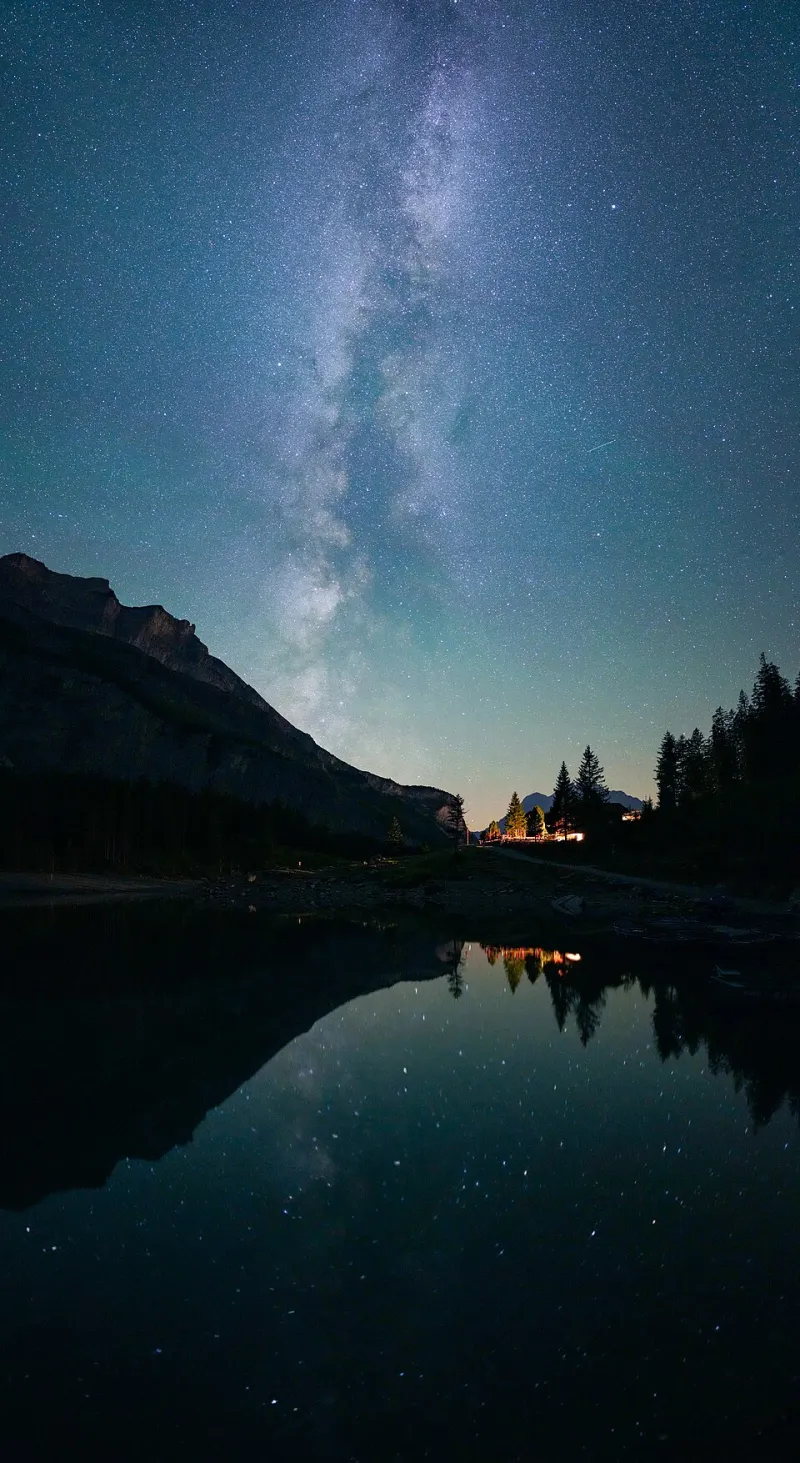
Photo by Photo by JJ on Unsplash on Unsplash
Here's the truth about meteor showers: they're the gateway drug of amateur astronomy. No eyepiece, no star chart, no polar alignment required. You just go somewhere reasonably dark, lie down, and look up. Which makes them the perfect excuse to drag your non-astronomer friends out of the house and into the night sky.
But there's a gap between "meteor shower tonight, you should come" and an event people actually remember. Bridging that gap takes maybe two hours of planning — and the payoff is enormous. So let's talk about how to do this right.
Step One: Know Your Showers
Not all meteor showers are created equal. Before you start texting people, make sure you're planning around a shower worth the effort. Here are the heavy hitters in the US calendar:
- Perseids (mid-August): The crowd favorite. Warm nights, high rates (up to 100 meteors per hour at peak), and a reliable performance. This is the one to build a big party around.
- Geminids (mid-December): Actually the most prolific shower of the year, often topping the Perseids in raw numbers. The catch? It's cold. That's manageable with the right gear — more on that below.
- Leonids (mid-November): Typically lower rates, but known for occasional outbursts. Worth watching.
- Quadrantids (early January): A brief but intense peak that's easy to miss. Better for dedicated observers than casual parties.
For each shower, the peak is usually a specific night or two. Check resources like the American Meteor Society (amsmeteors.org) for exact peak dates and times each year — they're the gold standard for this information.
Moon phase matters. A full moon near the peak of a shower will wash out fainter meteors. Check the lunar calendar when you're picking your date. A new moon or crescent moon is your best-case scenario.
Step Two: Scout Your Location Early
This is where most casual viewing parties go wrong. People drive 45 minutes, set up in a parking lot that turns out to face a gas station, and wonder why the sky looks orange.
A good meteor shower location needs:
- A wide open horizon. Meteors can appear anywhere in the sky, so you want as much of it visible as possible. Open fields beat forest clearings. Hilltops beat valleys.
- Minimal artificial light. You don't need to be in the middle of nowhere, but you want to be away from the direct glow of shopping centers, highway interchanges, and stadium lights.
- Safe, legal access. Many state and county parks are open after dark. Some close at sunset. Know this before you go. Getting a group kicked out at 10 p.m. is a mood-killer.
- Flat ground. Everyone's going to be lying on their backs. Lumpy, sloped, or rocky ground gets old fast.
If you're stumped, the Dark Sky Finder tool at darksitefinder.com is a great starting point for identifying lower-light areas within driving distance.
Step Three: Build Your Supply List
This is where the "event" part of "astronomical event" comes in. A well-supplied viewing party feels like an adventure. An underprepared one feels like standing in a field in the dark.
Comfort is everything:
- Blankets and sleeping bags (even in August, nights get cold)
- Camping chairs or reclining loungers — lying flat beats craning your neck every time
- Extra layers, especially for fall and winter showers
- Bug spray if you're in a grassy area in warmer months
Lighting:
- Red flashlights or headlamps for everyone. Red light preserves night vision; white light destroys it. You can buy red-mode headlamps for under $15, or just put red cellophane over a regular flashlight.
- Glow sticks are a fun, low-tech option for marking the path to your setup area
Food and drinks:
- Warm drinks are a game-changer for fall and winter showers. A thermos of hot chocolate or cider makes a December Geminids party feel intentional and cozy rather than just cold.
- Finger foods work best — things people can eat lying down without fuss. Think trail mix, grapes, cheese and crackers, chips.
- Avoid anything that requires utensils or generates a lot of light from phone screens (more on that below)
Entertainment between meteors:
- Download a sky-mapping app like SkySafari or Stellarium before you go. You can use it in night mode (red screen) to identify constellations between meteor bursts.
- A portable Bluetooth speaker with a mellow playlist sets the vibe without becoming a distraction
- A printed or laminated meteor shower guide gives people something to read without pulling out their phones
Step Four: Set Expectations (In the Best Way)
The single biggest thing that separates a successful viewing party from a disappointing one is expectation management. If your friends show up expecting a fireworks display every 30 seconds, they're going to be underwhelmed.
Before the night, send a quick message that covers:
- Peak viewing hours (usually after midnight, when your part of Earth rotates into the debris stream)
- The radiant constellation (the general area of sky where meteors appear to originate)
- A realistic rate estimate — "we might see 40-60 meteors per hour at peak, but there will be quiet spells"
- The importance of letting eyes adjust (it takes about 20-30 minutes in the dark to reach full night vision)
Framing the quiet moments as part of the experience — lying in the dark, talking, watching the whole sky slowly wheel overhead — helps people appreciate what's actually happening rather than waiting for the next fireball.
Step Five: Have a Backup Plan
Cloudy nights happen. This is astronomy; weather is part of the deal.
If clouds roll in:
- Check the Clear Outside or Weather Underground apps for hourly forecasts — sometimes a window opens after midnight
- Have a backup date in mind (showers often have a two-to-three day window around peak)
- Consider a "watch party" alternative: NASA often livestreams major meteor showers, and watching together from someone's living room with the same snacks is still a good time
The Part Nobody Talks About
Here's what makes meteor shower nights special in a way that's hard to quantify: they create shared experience in real time. Every "oh!" and "did you see that one?" is a moment of genuine collective wonder. People who've never thought much about astronomy end up lying in a field at 1 a.m., watching a streak of light cross the Milky Way, and something shifts a little.
That's what we're here for. The logistics just get people in the room — or, in this case, the field.
For this year's shower dates, moon phases, and peak time predictions, bookmark the American Meteor Society at amsmeteors.org. They update their calendar annually and break down each shower in plain language that's easy to share with friends who are new to all of this.
Now go find a dark field and send those invites.