Better Together: Why Joining an Astronomy Club Might Be the Best Upgrade You Make This Year

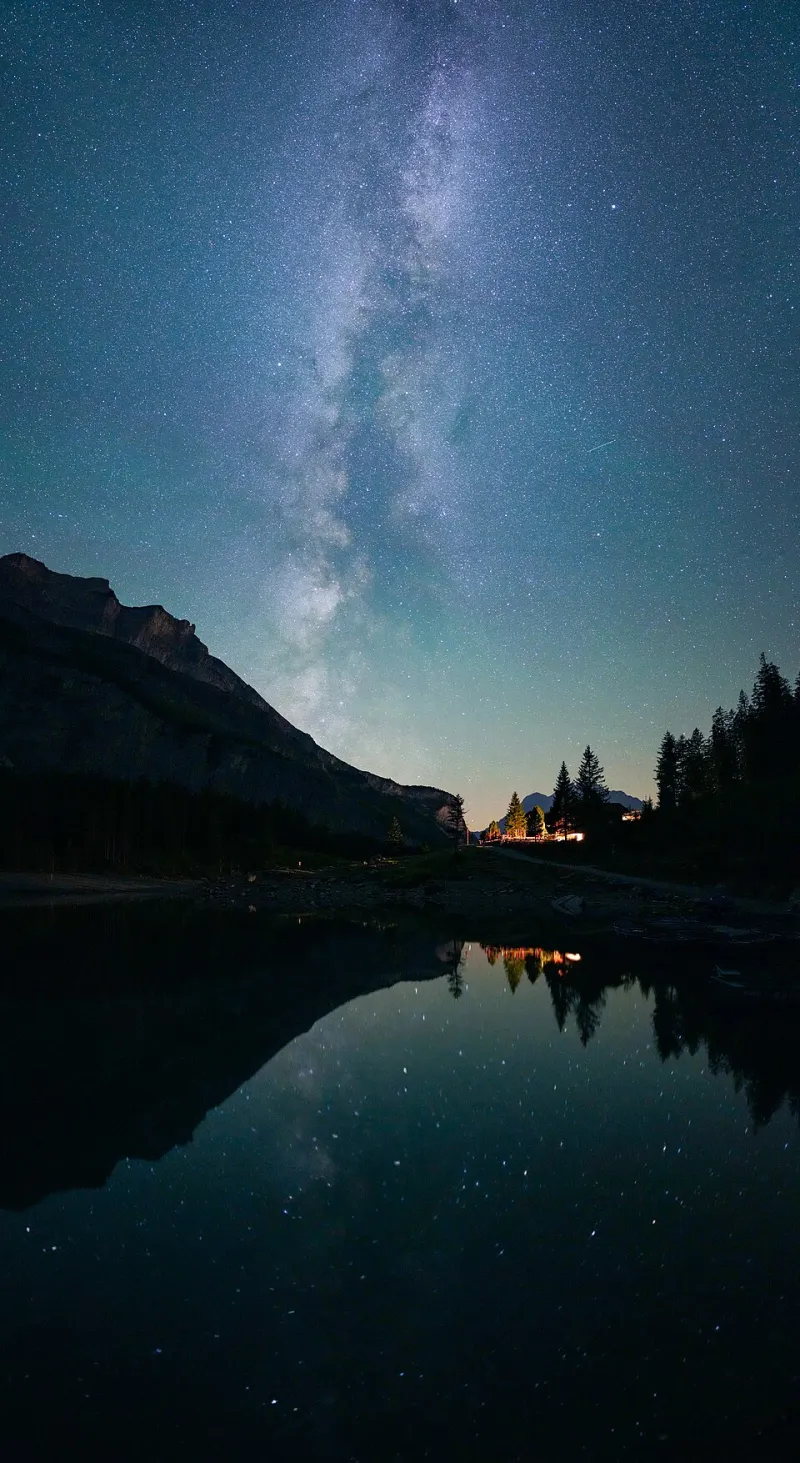
Photo by Photo by Richard Deng on Unsplash on Unsplash
There's a particular kind of loneliness that comes with backyard astronomy. You're out there in the dark, maybe 11 p.m. on a Tuesday, staring at something extraordinary — a ring nebula, a double star, the moons of Jupiter lined up just so — and there's nobody around to share the moment with. You could text a friend, but let's be honest: most people don't get that excited about a fuzzy blob in an eyepiece.
That's exactly the void that astronomy clubs are filling, and they're doing it in a big way. From small-town star parties in rural Kansas to organized observation nights in the suburbs of Atlanta, local clubs are growing faster than ever, fueled by a combination of pandemic-era outdoor enthusiasm, affordable telescope technology, and — maybe most importantly — a genuine human need to connect over something larger than ourselves.
The Numbers Tell a Story
The Astronomical League, one of the country's largest federations of amateur astronomy clubs, currently counts over 240 member organizations across all 50 states. That's a network of tens of thousands of people who show up regularly, rain or shine (well, mostly shine), to look up together. Local clubs affiliated with the League have reported steady membership growth over the past several years, with many seeing a surge of newcomers who picked up a telescope during the pandemic and are now hungry for guidance and community.
But raw membership numbers only tell part of the story. What's really happening inside these clubs is something more interesting.
More Than Just Telescopes
Ask anyone who runs a local astronomy club what surprised them most about the job, and the answer is rarely about equipment or sky conditions. It's about people.
"I thought I was going to be teaching people how to use their gear," says one club president from a mid-sized astronomy society in Ohio. "And sure, that happens. But what I spend most of my time doing is introducing people to each other. The telescope is just the excuse."
That sentiment echoes across the country. Astronomy clubs have quietly become one of the more unlikely social institutions in American life — places where a retired schoolteacher and a 19-year-old engineering student can end up spending three hours together in the dark, arguing companionably about whether they've correctly identified the Orion Nebula. Spoiler: they usually have.
The social architecture of a good club observation night is surprisingly well-designed for connection. You're all facing the same direction. You're sharing equipment. You're collectively problem-solving (why does this star map not match what I'm seeing?). And you're experiencing genuine awe together, which turns out to be a powerful bonding agent.
What New Members Actually Get Out of It
Beyond the social warmth, joining a club delivers some pretty concrete practical benefits for anyone trying to level up their stargazing game.
Access to better equipment. Many clubs maintain loaner telescopes or have members willing to share high-end gear at observation nights. Getting hands-on time with an 11-inch Schmidt-Cassegrain before you decide whether to buy one is invaluable — and something no YouTube video can replicate.
Location intelligence. Finding genuinely dark skies near a populated area is harder than it sounds. Experienced club members carry years of local knowledge about which park access roads are gated on weekends, which farmer might let you set up in their field, and which direction to point your scope to avoid the glow from that new distribution center on the edge of town.
Faster learning curve. Astronomy has a steep early learning curve. The night sky doesn't come with labels, and figuring out star-hopping, polar alignment, or how to read a sky chart can take months of solo trial and error. At a club night, someone who's been doing this for 30 years is usually happy to walk you through it in 20 minutes.
Motivation to actually go out. This one's underrated. When you know a group of people is meeting at the park on Saturday and expecting you to show up, you're a lot less likely to talk yourself out of it because it's a little chilly.
How to Find (or Start) Your Club
Finding a club near you is easier than you might think. The Astronomical League's website maintains a searchable directory of member clubs by state. The Night Sky Network, operated through NASA's Jet Propulsion Laboratory, is another excellent resource that connects amateur astronomers and lists public star parties across the country.
If you're in a more rural area and coming up empty, don't count yourself out just yet. Several active clubs operate primarily online, hosting virtual observation nights and discussion forums that can scratch the community itch while you work on building something local.
Thinking about starting a club from scratch? It's more doable than it sounds. Here's a simple framework:
-
Start with one event. Don't build a whole organization before you know if there's interest. Post on a local Facebook group or Nextdoor, pick a park with a clear horizon, and invite people to come look at the moon. See who shows up.
-
Find a co-organizer. Running anything solo gets exhausting. One reliable partner makes a huge difference.
-
Pick a regular schedule. Monthly is a good starting cadence. Consistency builds habit and expectation.
-
Connect with the Astronomical League. Affiliating with an established organization gives you resources, credibility, and a built-in community of fellow club organizers to learn from.
-
Keep the barrier low. The best clubs welcome people who show up with nothing but curiosity. Make it clear that no equipment, no experience, and no expertise is required to attend.
The Bigger Picture
There's something quietly remarkable about what these clubs represent. In an era when it's genuinely difficult to find third places — those spaces outside of home and work where community actually forms — astronomy clubs are thriving. They're free or nearly free to join. They happen outdoors. They're multigenerational in a way that few organizations manage to be. And they're organized around something that has been inspiring wonder in human beings for as long as there have been human beings.
The night sky hasn't changed. But the way we're choosing to experience it together? That's evolving fast. And if you've been doing your stargazing solo, it might be time to find your people.
Check the Astronomical League's club directory at www.astroleague.org to find a group near you — and if you do end up at your first club night, don't be surprised if you stay three hours longer than you planned.